That’s the conversation I’ve been mulling over for a while.
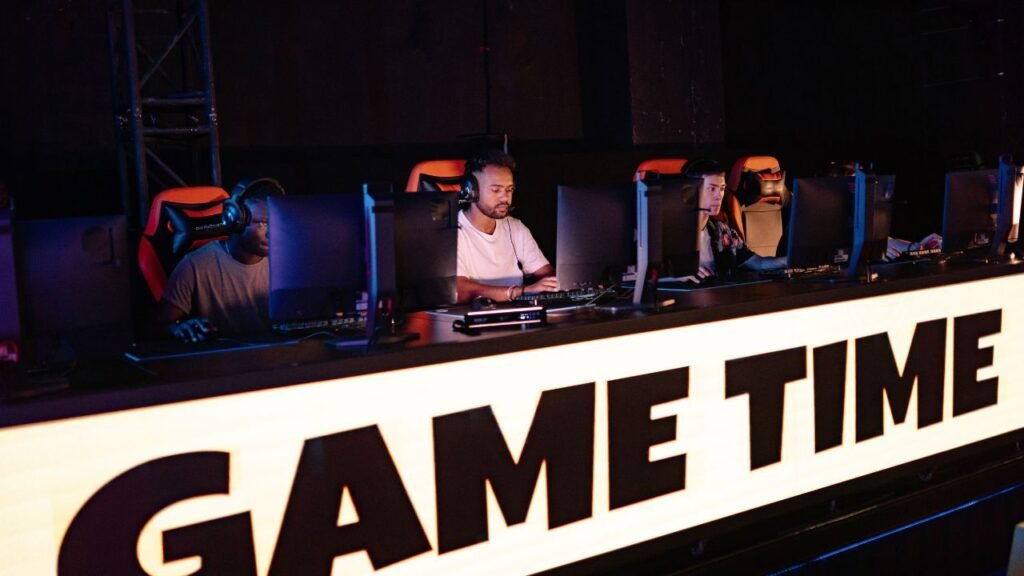
This is a PUBG Mobile tournament stream I just watched, actually pretty solid gameplay, good rotations, high stakes final circles, the content that would be clipped and watched again if it appeared in a PC game. My dad only watches the regular sports. He’s come to appreciate esports as a whole (he’s definitely watched video game clips on the news before), but mobile just looks like “phone games” to him still.
That’s pretty much the entire article. Simply because the cash speaks cell esports is winning. The credibility hasn’t caught up to the cash at all.
The Numbers Really Confirm Just How Big This Has Become
This isn’t a minor event kept alive solely by a handful of optimistic press releases. Level Infinite invested more than $10m in just the 2025 PUBG Mobile Esports circuit, which featured more than 20 competitions. Its Esports World Cup in Saudi Arabia, which now features mobile esports games such as PUBG Mobile, Mobile Legends: Bang, Honor of Kings and Free Fire alongside PC and console titles, paid out a total of more than $70m for its 2025 run.
See how things are going with the other half of the gaming economy and esports, through Dota 2’s prestigious The International. The International 10 (TI10) in 2021 saw an incredible $40 million prize pool for pro competition due to the crowdfunded sales of Battle Passes, from which the POAP is born. By 2024 it had plummeted to roughly $2.6 million, and by 2025 was a meager $2.8 million.
So what the real money line looks like if we’re looking for the majority of players, is mobile games going up, and the most romanticized, most mythologized ‘i used to care about PC esports’ league is falling by the wayside. And no dad is crying ‘wait, you mean Dota isn’t real esports?’
So then why does the respect not follow the money?
The Trouble with Screens That No One Dares to Voice
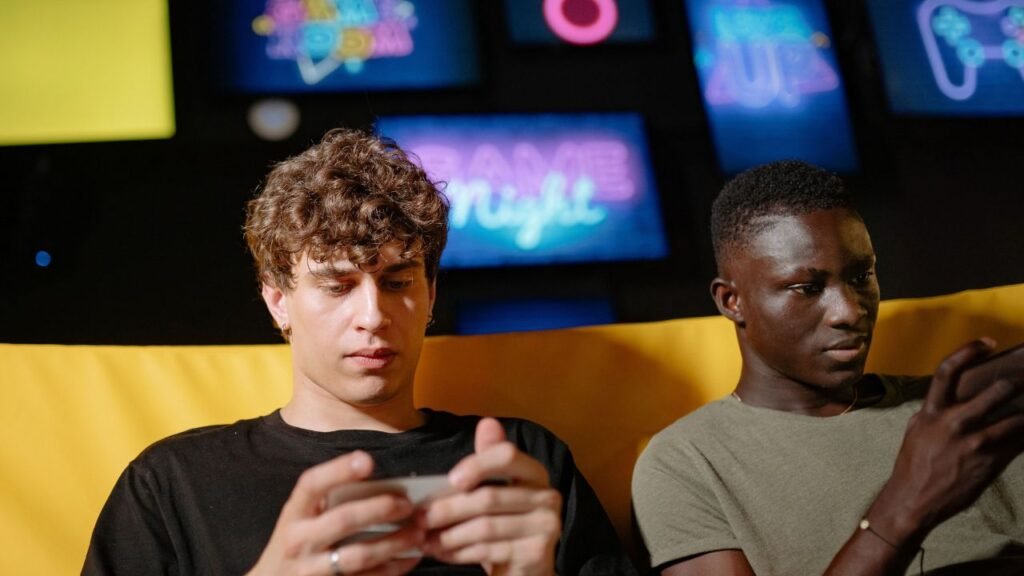
Much of this boils down to something embarrassingly obvious: mobile games are inherently more difficult to watch.
We relied on wide shots, big fights, maps you could read from a distance, camera angles that could be translated to a stadium jumbotron or a 1080p stream, on PC and console esports broadcasts. Mobile titles are played out on a screen the size of your palm, with two thumbs doing work that’s actually quite tough to see, even if you zoom in on the player cam. Commentators are doing more narration of events than showing them on screen, since so much of the action happens in a space that’s just too small.
That’s not a comment on the skill, that’s a legibility and production issue, and it contributes a subtle but important amount to the “seriousness” of a broadcast versus the clarity of a CS2 major with its wide, tightly-produced tactical.
You can also read:
- Best Monitor Refresh Rate for Gaming: 60Hz vs 144Hz vs 240Hz
- Blue Screen, Three Times in Ten Minutes, Right After I Turned On XMP
The Regional Divide Is Genuine, and Western Reporting Is Failing to Acknowledge It
Mobile Esports is huge in South and Southeast Asia, Latin America and the Middle East. For context, the 2021 Singapore Free Fire World Series attracted more than 5.4 million cumulative viewers, one of the largest audiences any esports tournament has ever attracted. The PUBG Mobile scene is equally huge in India, Pakistan and Indonesia.
Western gaming sites, where even the most “is esports legit” conversations end up written and read, just aren’t plugged into those audiences. League of Legends Worlds is reported on by people who would never talk about PUBG Mobile unless they included a note that its viewership is, in fact, comparable. It’s not that mobile esports has no audiences, it’s that they aren’t the ones who make the headlines.
There’s Still a Lingering “Casual Game” Stigma
This is less of a data thing than a feels thing, but it’s true. People associate mobile gaming with Candy Crush and Subway Surfers and cookie clickers and everything else meant for a bus ride rather than a real test of competitive skill. That reputation still lingers, even though the actual barrier to skill in Mobile Legends or PUBG Mobile is considerably higher.
PC gaming also had its decades to establish its credit as well, first, with Starcraft basically creating the modern esports broadcast format in South Korea in the early 2000s, then with many years of doing that before the mainstream media stopped treating professional gaming as a joke. Mobile esports is probably roughly 10 years into that journey, but it faces a deeper hole because of the inherent casual-game stigma.
Infrastructure and Scholarships
Esports programs at college campuses in the US, which have emerged as a significant legitimizer of the wider industry, are largely centered on League of Legends, Valorant, Rocket League and Overwatch. Mobile games are not commonly included in this population of programs, and this is critical, because they remain one of the starkest signs you get from non-endemic institutions that esports is “real.”
Until a flood of mobile titles are incorporated into that very same institutional framework in a convincing fashion, a significant large piece of the legitimization discussion in the United States alone simply … is not really going to involve those titles, no matter how big the prize pool.
How I Honestly Feel About It After Watching the Data …
I thought I was going to come out of this saying that mobile esports actually simply just has less money and less of an audience than assumed, and the legitimacy gap was actually on point. That’s not what I found.
The money is there are examples like the PUBG Mobile circuit contrasting with a shrinking International prize pool where mobile games are now suddenly comfortably ahead of a tournament you would’ve laughed at for being compared to five years ago. The viewership is there as well, just heavily concentrated in areas where Western gaming sites don’t focus on.
It’s not scale we’re lacking: It’s the encoding methods needed for players to consume mobile at the same level of visual fidelity as PC esports and for the West to look at how many viewers a region has and not fall into the trap of assuming mobile is a secondary scene because it doesn’t receive overwhelming press in English.
If you want to read about the platform side of competitive mobile gaming and not the money side, I also recently wrote a story for gaming estate about a touch response delay problem that only occurs when the phone is used in landscape mode, a sort of input lag that I think becomes a lot more critical when you’re playing competitively.
Alternatively, if you prefer not to take my word for it and actually see the dollar sign and numbers for eyeballs, the Esports World Cup’s official site breaks down the prize pools and tournament placements per title, and is worth a browse just to see how far they’ve actually come up on that list.
I think my dad will continue to call those “phone games” for at least a few more days. In the meantime, the numbers are on without him.

